
FishPeoplePlace Lab
A student-centered lab working in service to learning, education, and outreach.
Our Research Areas
Our research areas change and evolve as different people bring fresh ideas and interests to the lab. Regardless of topic, all FPP Lab projects are united by human dimensions themes, theories, and approaches to environmental and conservation social science. Currently, we are working on:
The controversial use of hatchery and stocking programs for salmonid conservation, restoration, and enhancement
Novel fish assemblages and ecosystems driven by a changing environment, including hybrid and invasive non-native species
Coastal access mapping, conflicts, equity, and climate pressures
Great Lakes commercial fisheries culture, livelihoods, and economics
Direct-to-consumer seafood supply chain models and investigating barriers to locally-caught seafood becoming more accessible to local markets, in support of food security and sovereignty
Our research draws on a variety of theories, perspectives, disciplines, and methods depending on the project, its partners, and what is appropriate for the time, place, and questions being asked. We are particularly interested in interdisciplinary approaches to applied problems or questions.
Want to learn more about these research topics? Click the button below.
The FishPeoplePlace Lab in the field!
-
![]()
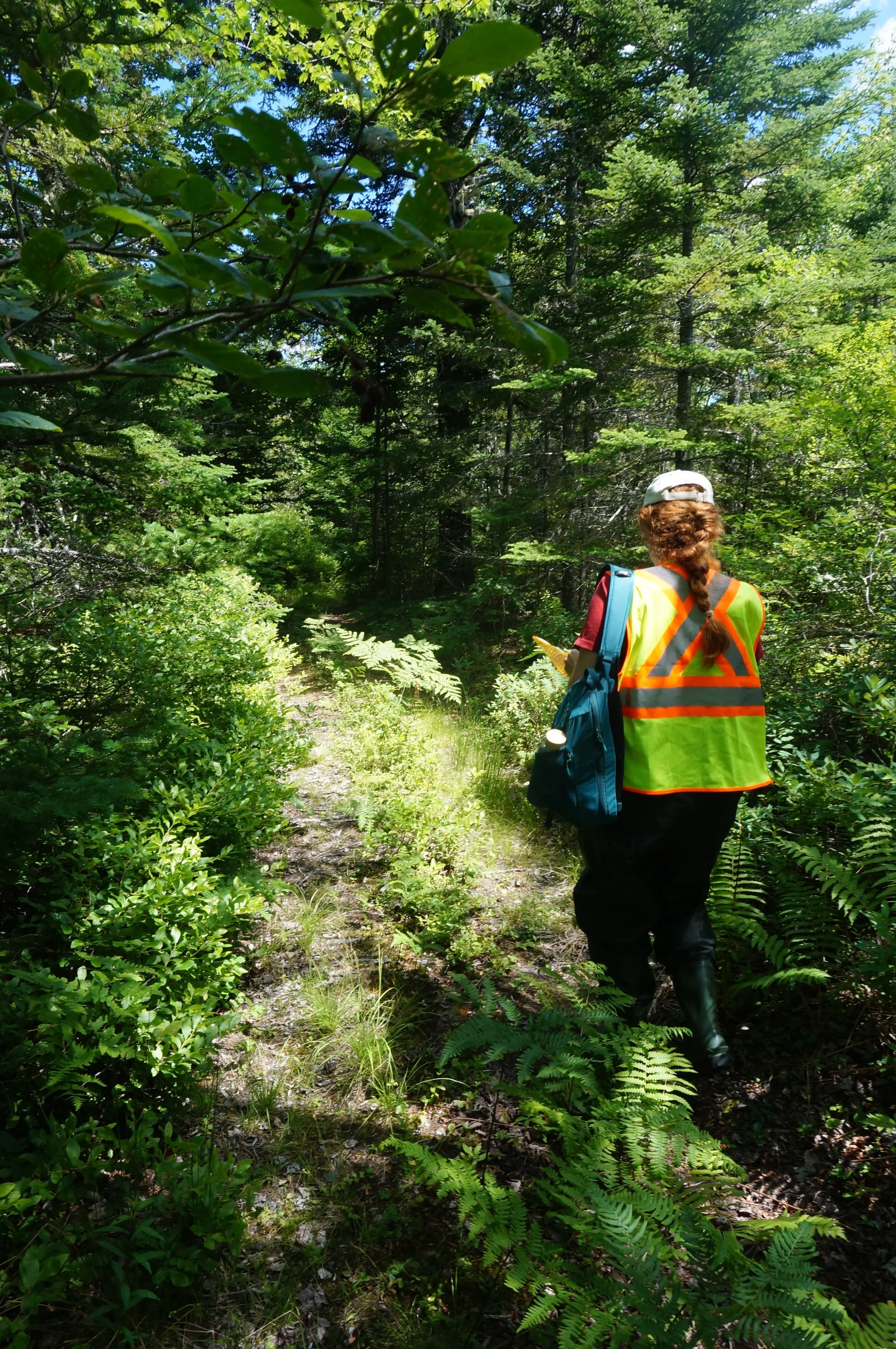
Alex Hancock conducting coastal site surveys in Nova Scotia as part of her summer 2026 internship
-
![]()
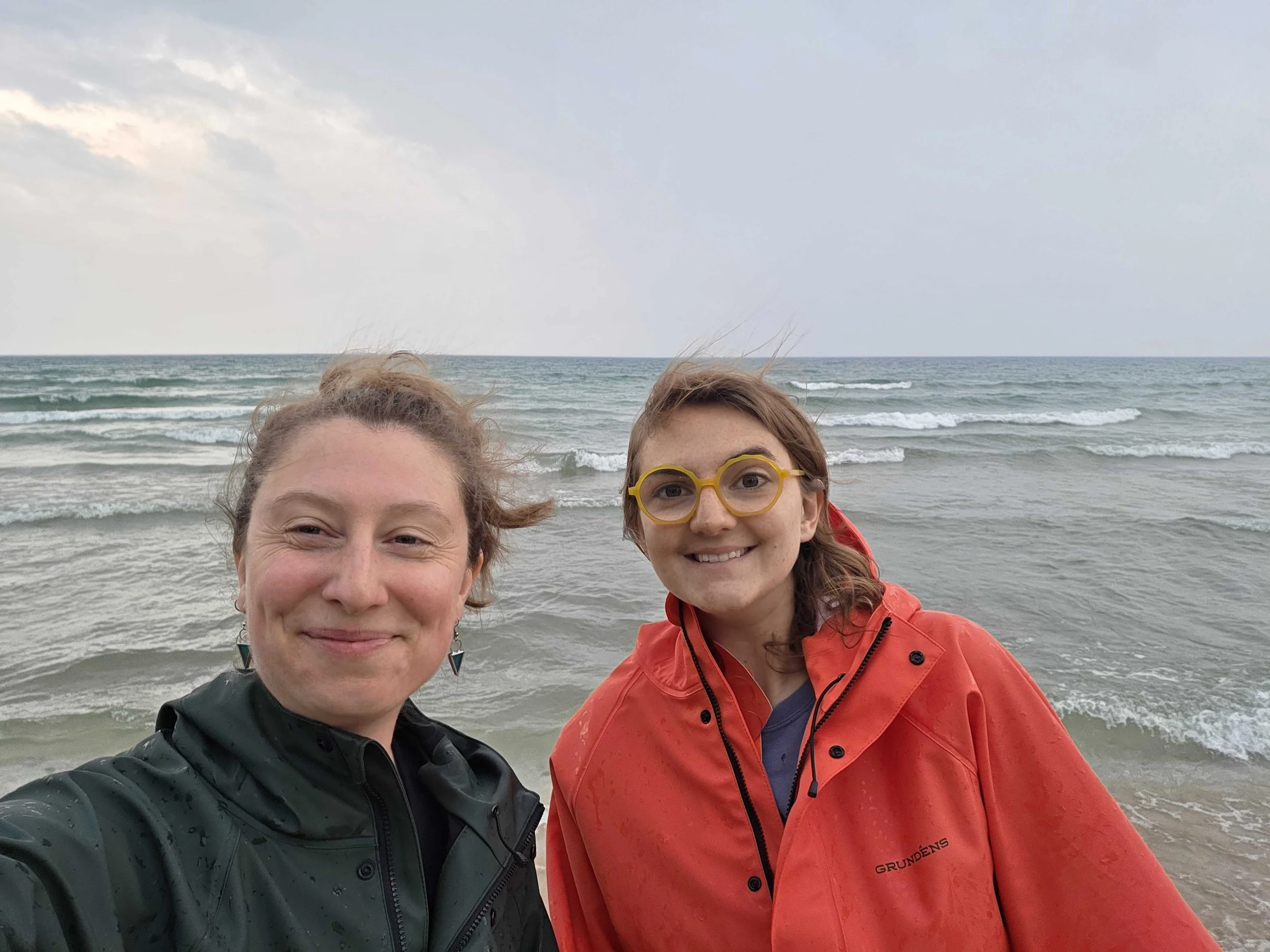
Hannah Harrison and Rachel Bratton visiting Lake Ontario
-
![]()
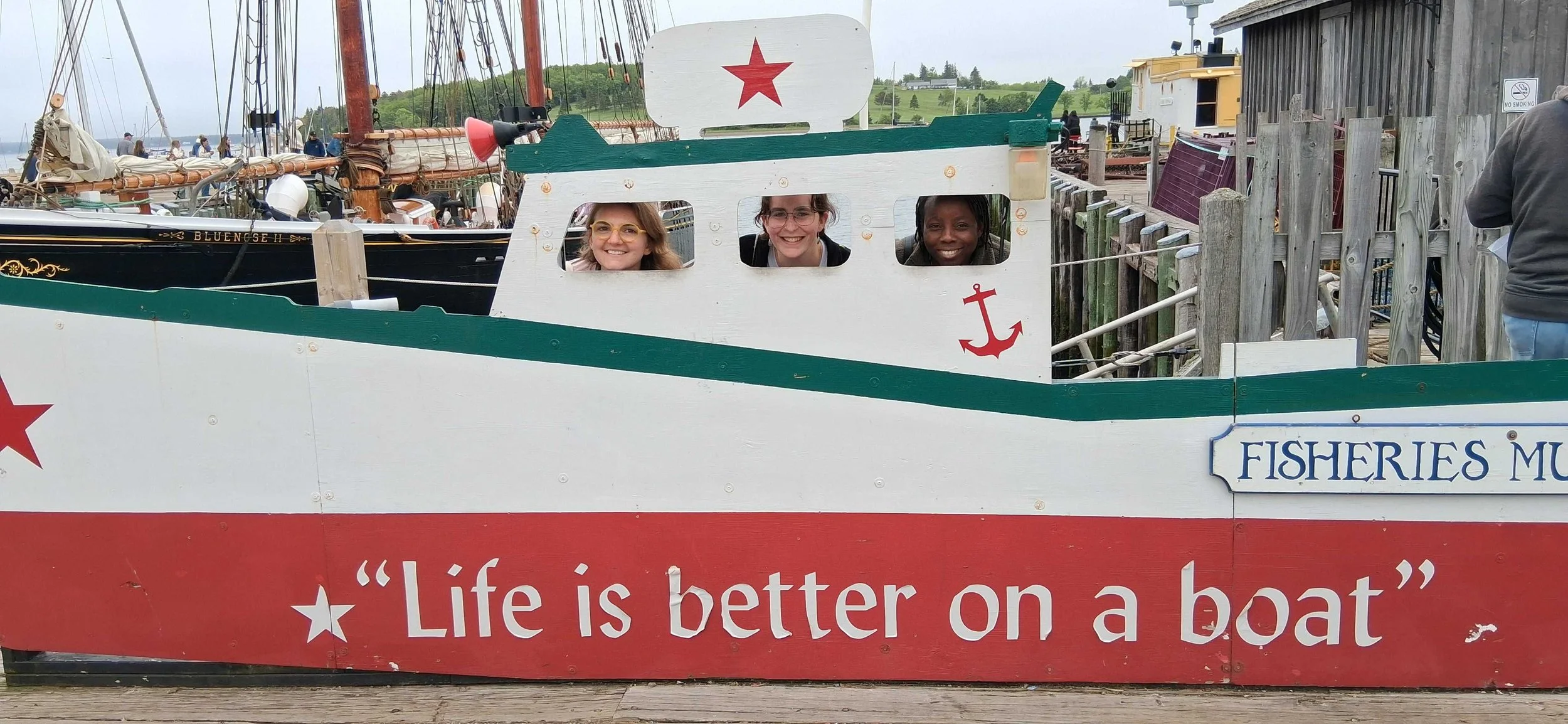
FPP students visiting Lunenburg
-
![]()
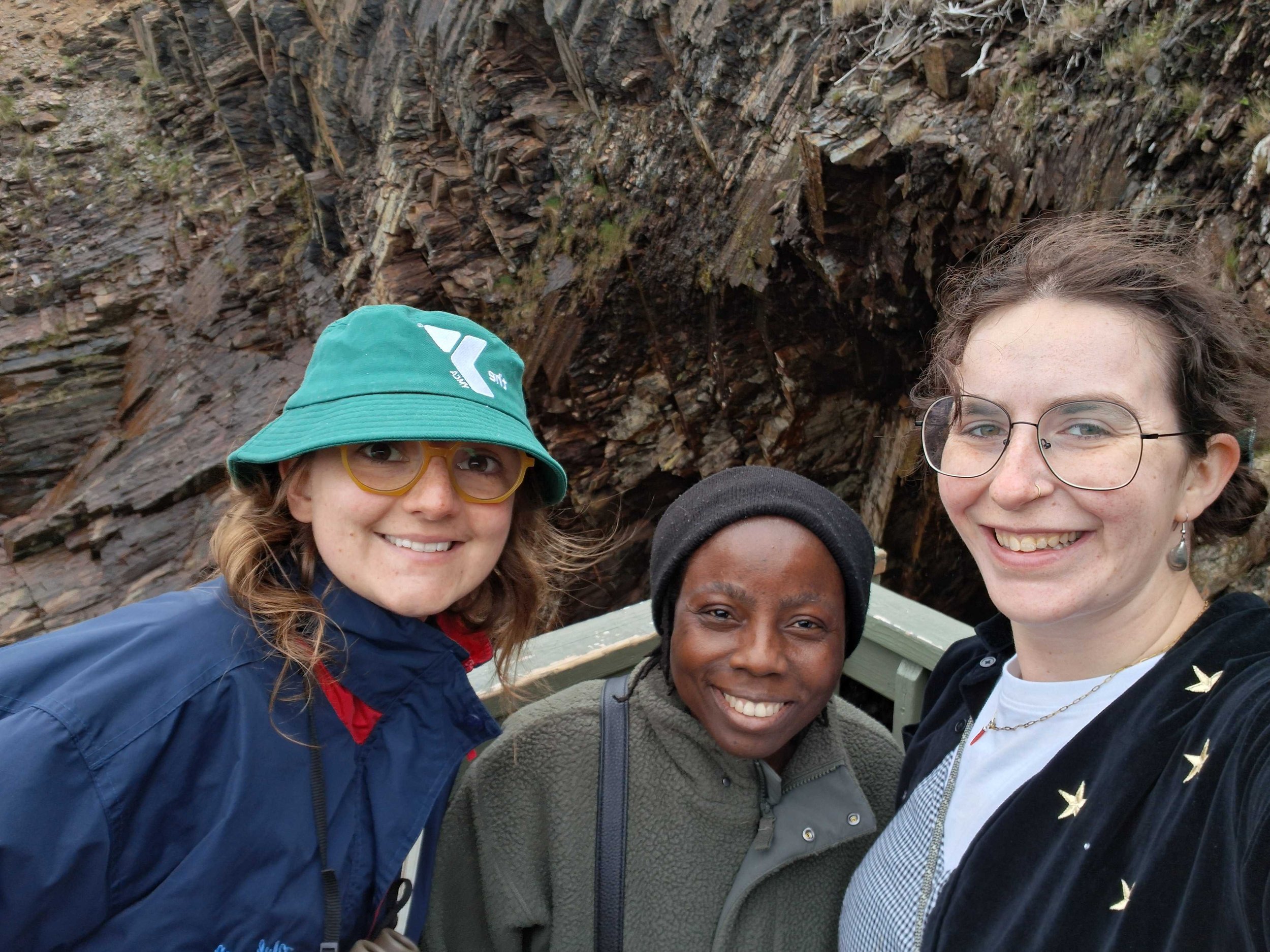
FPP students visiting The Ovens on Nova Scotia's south shore.
-
![]()
The outgoing 2024 FPP lab and PI Harrison at the end-of-term student gala. Congratulations MMMs!
-
![]()
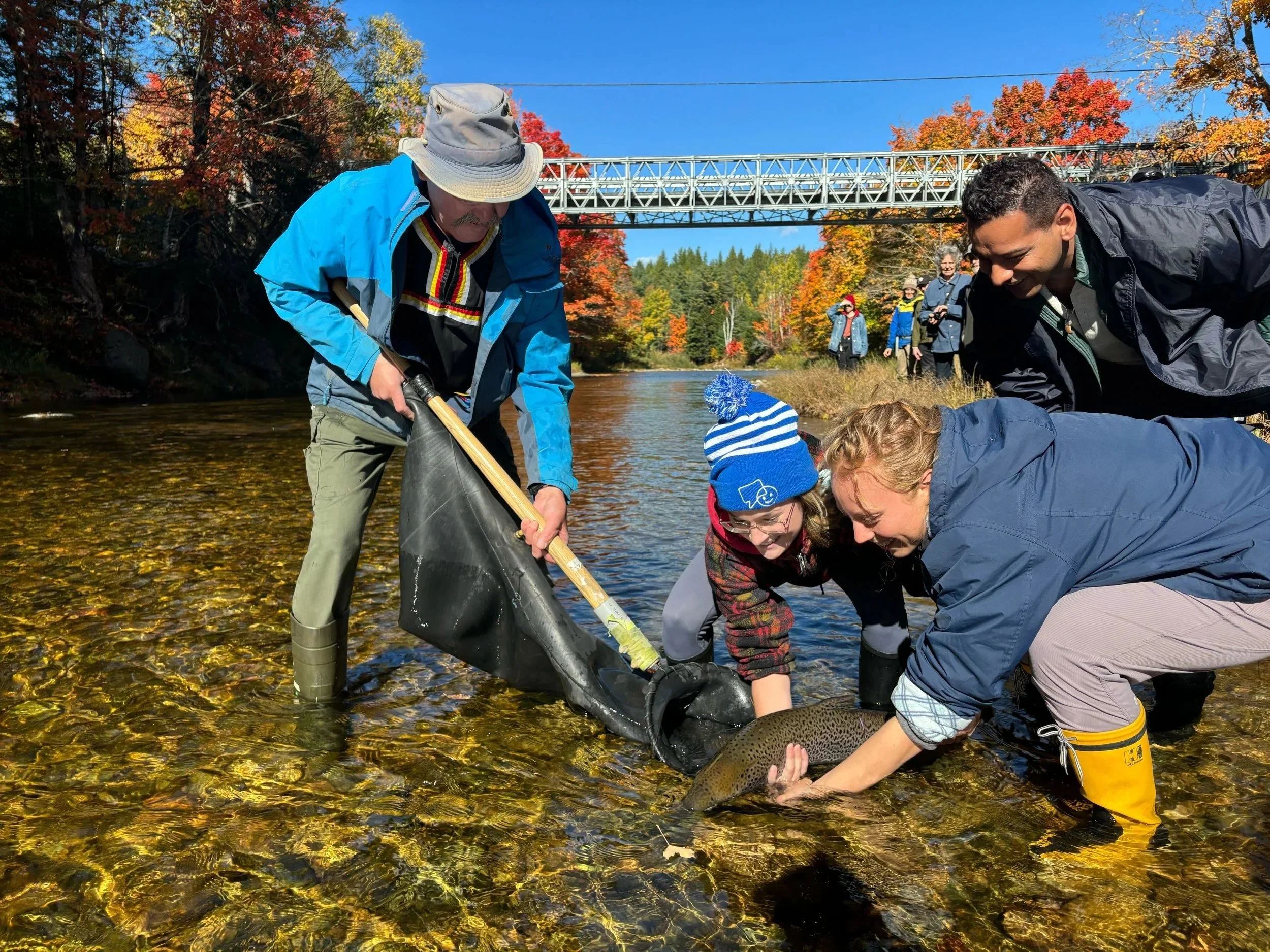
FPP Lab students at a fish release ceremony with Fort Folly First Nation and other salmon conservation groups
-
![]()
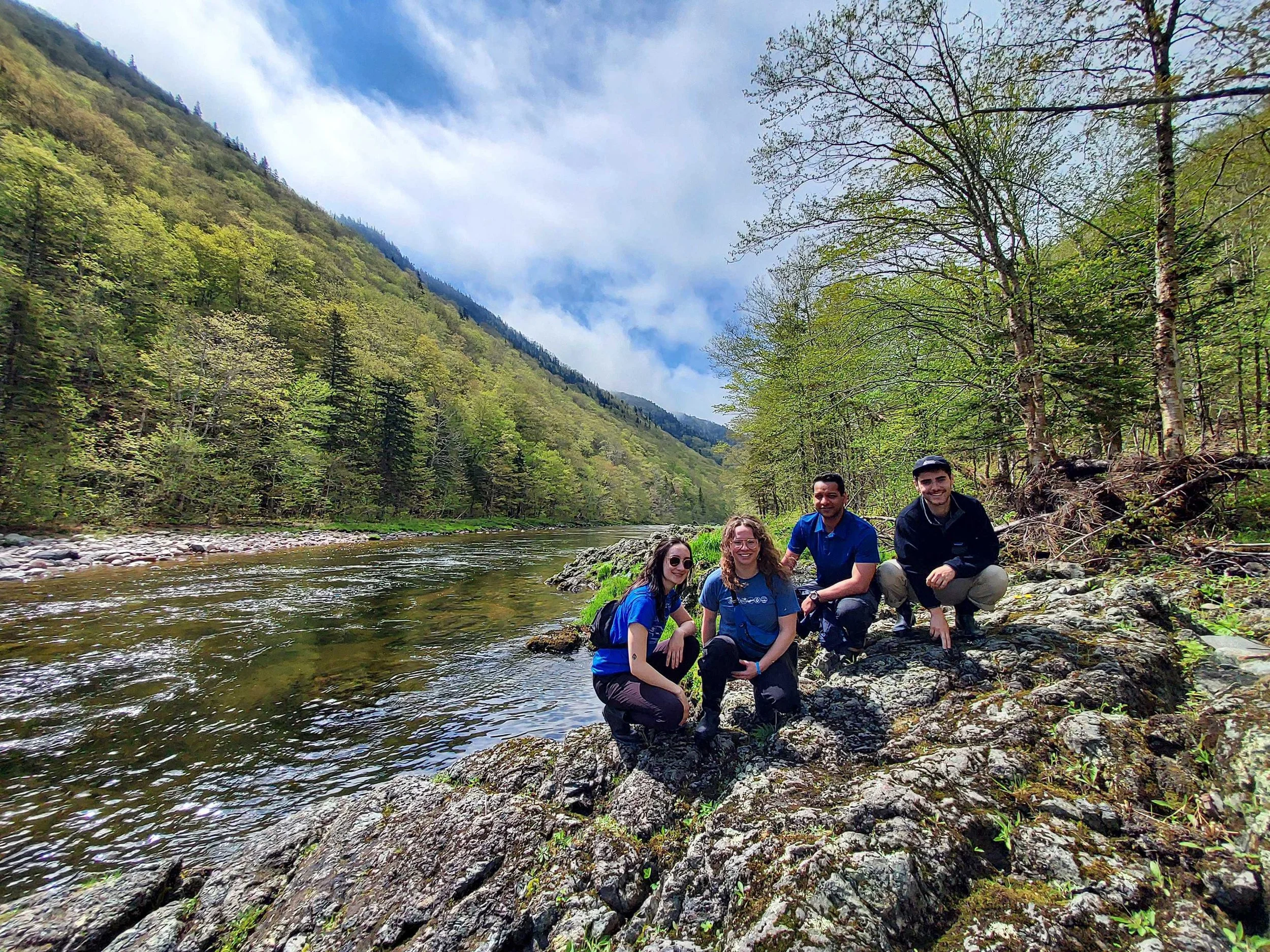
FPP Lab students visit the Margaree Valley, Nova Scotia
-
![]()
FPP Lab students Michael and Ireland release an adult Atlantic salmon at a ceremony with Fort Folly First Nation
-
![]()
FPP Lab students in the Margaree Valley
-
![]()
FPP Lab students Cara, Ojas, and Abby release an adult Atlantic salmon with the Fort Folly First Nation conservation team
-
![]()
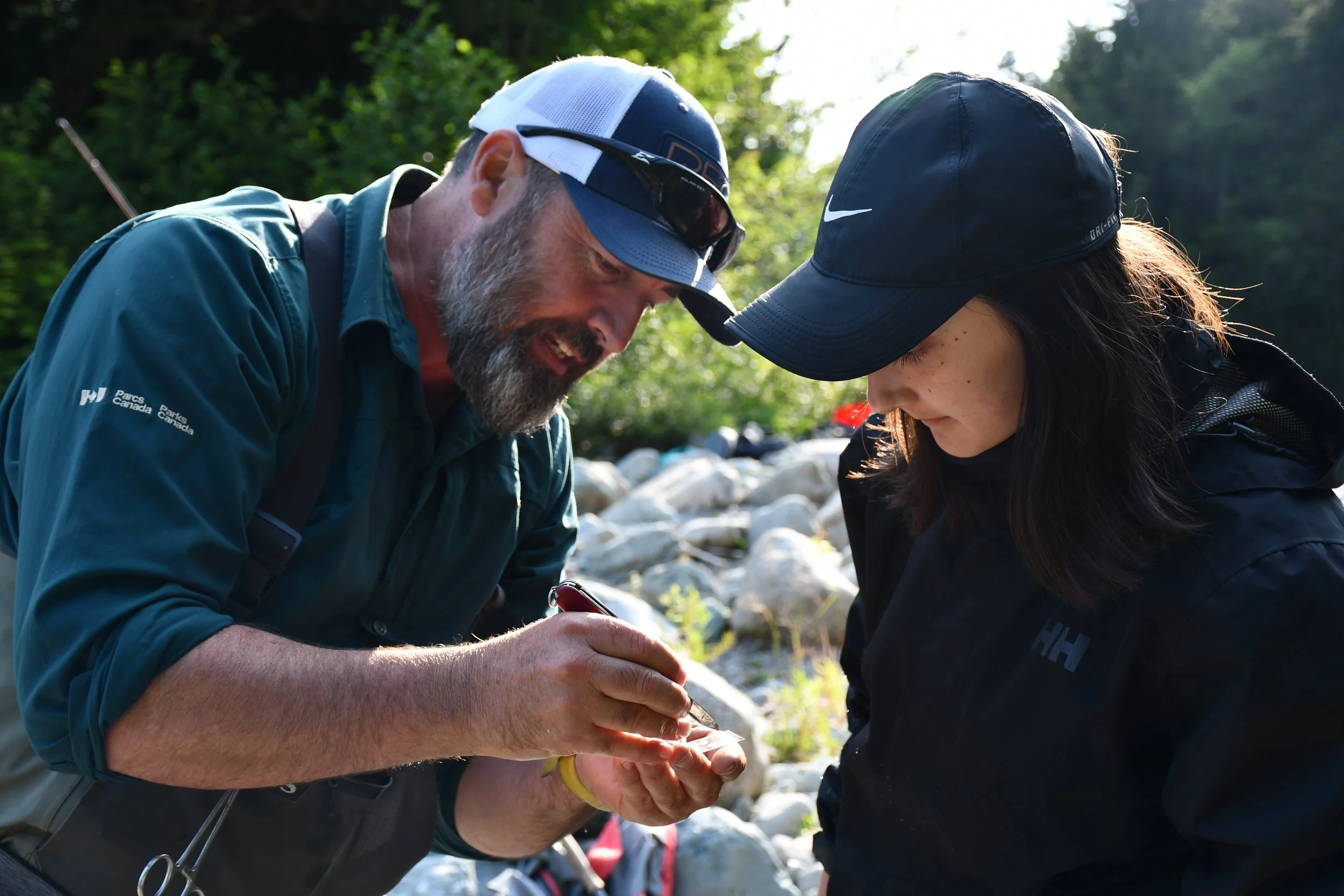
Katherine Dalby examines Atlantic salmon scale samples with Fundy National Park conservation team
-
![]()
Sinead Addis and recent MMM graduate Michael Fabiano take part in swiftwater training in spring 2025.
-
![]()
FPP members, aluminum, and community partners at Cavendish National Park in PEi
-
![]()
MMM student Sinead Addis, Hannah Harrison, and PhD student Nicole Cameron visit Lake Ainsley, Cape Breton to learn about smallmouth bass.
-
![]()
Anthea Fleming and Hamnah Harrison take part in a workshop on coastal access at Coastal Zone Canada 2025
-
![]()
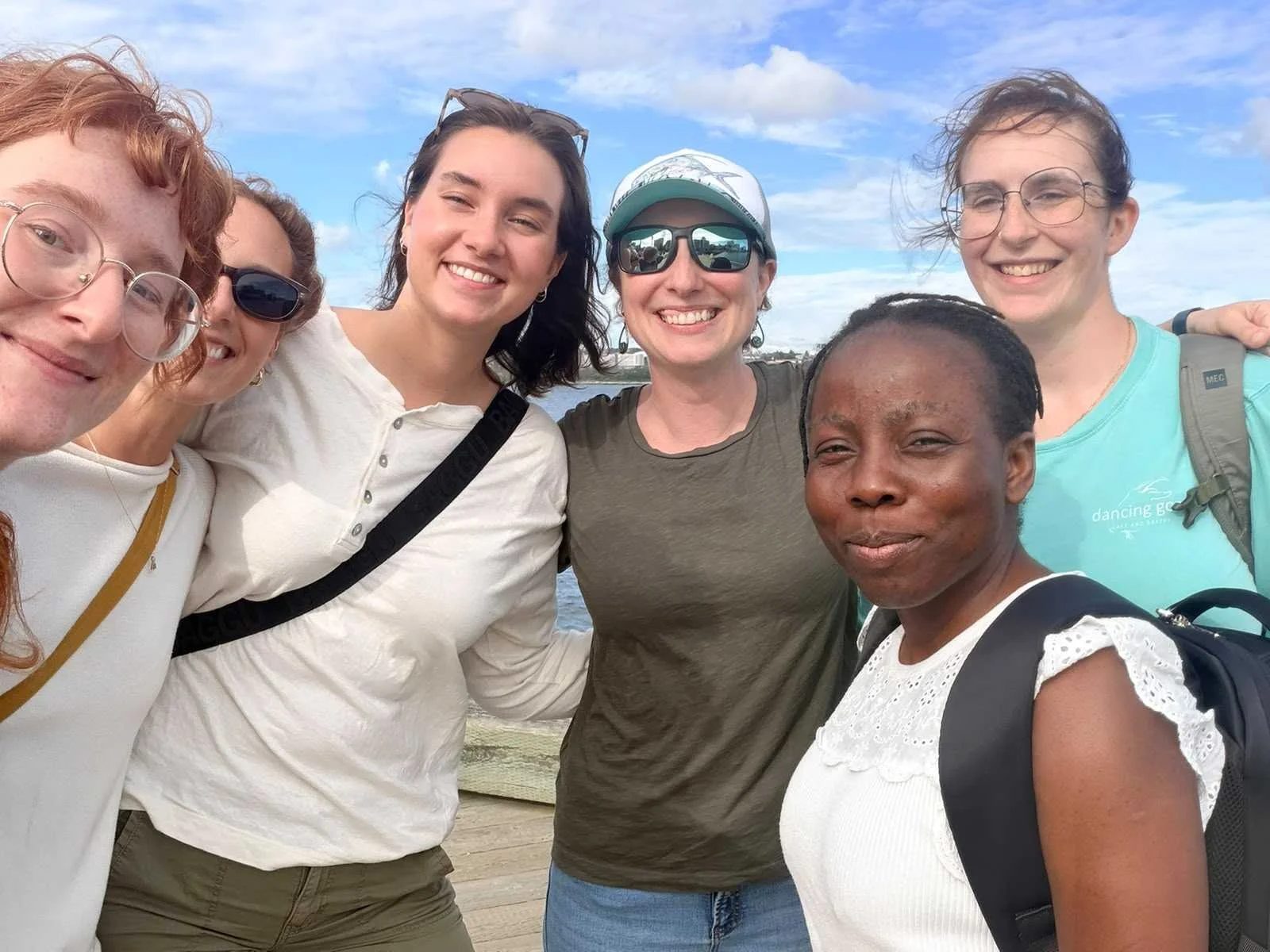
Enjoying the Halifax waterfront





Radical Salary Transparency
Radical salary transparency is a practice used in the business world to build a sense of trust between people who work together under the same employer, and ensure fairness of same pay for the same work. Unfortunately, academia has a long history of exploiting academic workers, particularly those who are in precarious positions, by underpaying them for the work they do. We consider that practice to be unacceptable, and practice radical salary transparency as one method of undermining exploitive academic hiring and work practices.
FishPeoplePlace founder Hannah Harrison first became interested in salary transparency as a PhD student, and later co-organized her postdoc group to form a union at the University of Guelph, largely inspired by the radical pay disparity experienced there amongst postdocs.
Today, the FishPeoplePlace lab practices radical transparency in how funding is acquired, how students, postdocs, and faculty are paid, and advocates for dignified wages for student labor. This table (below) offers insight into what students at different career stages could expect to be paid, or have their pay adjusted to, as funding becomes available.
-
The FishPeoplePlace lab often hires Master of Marine Management (MMM) students or other graduate internship positions between May - August each year. These positions are usually paid $15,000 CAD for full-time work during that period, or about $25CAD/hour, on a stipend basis.
On rare occasions, a stipend may be less in order to provide funds for the student to conduct their project. This arrangement is made transparent at the time of hiring.
-
The FishPeoplePlace lab endeavors to hire PhD students at or above the wage standards set by the Canadian Tri-Council, currently $40,000 CAD/year. This amount is usually composed of a combination of student awards and scholarships and grant funding. Whenever possible, we aim to offer a fully-funded PhD program (4 years).
We are not always successful at offering PhD students a dignified wage upon first hire, or offering all four years of support up front. This is sometimes because the original funding for a project is not substantial enough to offer a meaningful wage for all four years, so we offer more money for fewer years with the goal of finding additional funds to support the remainder of a student’s study.If and when this situation should occur, we require transparent, honest conversations with the student before they accept a PhD position so they are aware of the risks and we can make a plan to fund their stipend throughout their PhD.
Our goal is that all students should be funded throughout their PhD at or above Tri-Council levels. PI Harrison commits to supporting students in pursuing awards and grants to ensure dignified wages, and offering equity support measures whenever possible. These can include tools like offering international students an annual top-up to subsidize international tuition rates and health insurance down to the domestic rate, offering annual cost of living raises, or providing a professional development allowance for the student to manage as they see fit. -
The FishPeoplePlace lab endeavors to hire postdocs at or above the wage standards set by the Canadian Tri-Council, currently $70,000 CAD/year. However, funding opportunities to support a postdoctoral fellowship at this level are not common outside the TriCouncil. Thus, we ask any postdoc interested in coming to the lab to consider carefully their needs to support dignified and safe living and discuss early and often with PI Harrison how that funding level might be achieved.
-
From time to time, the lab will have funding available to hire temporary research assistants for specific projects. For these projects, we commit to offering $25CAD/hour or more, depending on the source of funding, length of project, and skill/experience level of the research assistant.
How Authorship Works In the FishPeoplePlace Lab
Authorship can be a tricky topic in academia and the wider working world. In our lab community, we foster an inclusive and gratitude-forward approach to authorship and co-authorship. In other words, we reject the gatekeeping approach to sharing credit and instead treat authorship as an opportunity to invite in and acknowledge the knowledge and contributions of those in our larger research environment.
Students are encouraged to consider the many ways by which others contributions to their work using the Vancouver Convention for authorship as a starting place, and expanding outward with a spirit of generosity and reciprocity. Ultimately, however, we honour individual agency and thus how authorship order is chosen is ultimately up to each lab member and the person or people they write with.
Following the philosophy above, Dr. Harrison’s author order in lab projects is often as first or last author. First authored papers reflect the leadership and primary labour of that article. Unless an artifact of alphabetical order authorship, last author indicates the role of ‘anchor’ in a project through a combination of supervision, funding, intellectual contributions, and broader coordination of a project from which the paper emerged. Dr. Harrison nearly always take last author position when co-authoring with supervisees, as supporting student leadership and first authorship of intellectual outputs is a high priority within the FishPeoplePlace Lab.
Transparency in Hiring
-
Open positions in the FishPeoplePlace lab are recruited as they become available. We write each recruitment advertisement to fit the unique position. Successful applicants to join the lab community are usually people who meet many of the required aspects in the ad, as well as bring some additional desired assets. However, we are a training environment and do not expect anyone to already have all the skills and qualifications listed.
At minimum, we always try to list:The position salary or stipend, including whether that amount is negotiable (usually it is not)
Requirements vs assets
Location of the position (in-person, remote, or hybrid)
Hours/week and whether there is work schedule flexibility
Any partners to the project to whom we are accountable
-
We do not use AI in hiring processes, so please do not writing cover letters or other job materials for AI screening. Instead, prepare your materials for a real person to read and get a strong sense of you as an applicant. Applications that have been obviously prepared using generative AI will be disqualified from the hiring process.
Most positions are open for up to one month, but sometimes longer if we would like to meet a broader range of candidates. We screen all applications for meeting the basic eligibility requirements as stated in the ad, then review them in-depth and develop a short list of between 2 - 5 candidates. Those short listed candidates are then usually (but not always) contacted for a synchronous interview. The interview can be conducted in-person or virtually, depending on the location of the candidate. Then, a final selection is usually made, resulting in us extending an offer to that person.
If someone declines a position, we re-offer the position to the next most successful candidate from the original application process.
We contact all applicants to let them know the results of the hiring process, even if they were not successful. Please note that this can sometimes take several months depending on the length of the recruitment. Please note that we cannot offer individual feedback on all applications we receive due to the significant labour this would require.